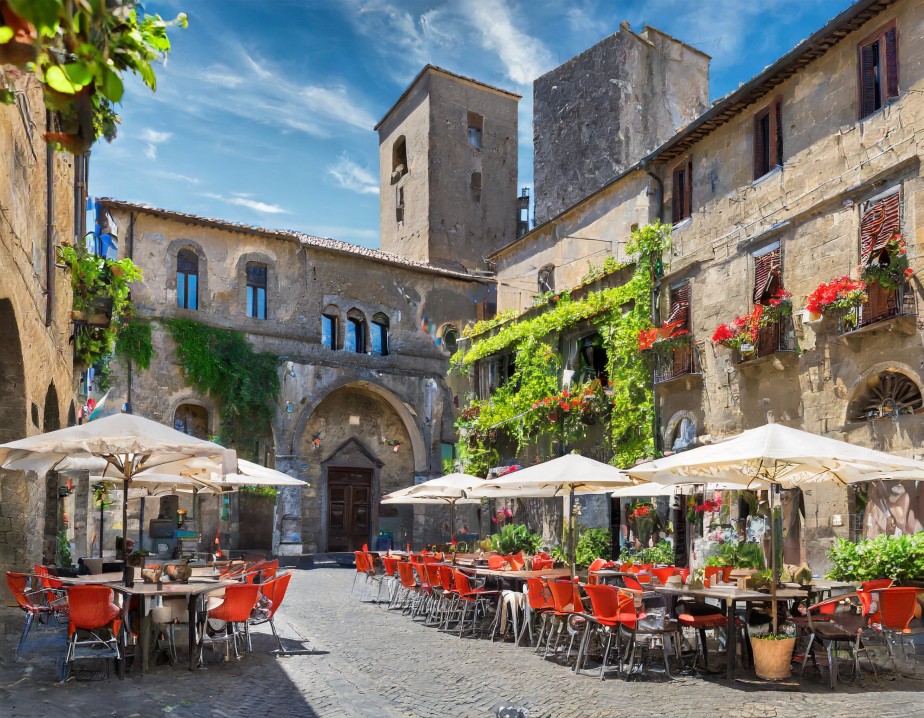
Nestled in the heart of Italy's Lazio region, Viterbo beckons food enthusiasts with its rich culinary heritage and tantalizing flavours. This enchanting city, steeped in Etruscan history and medieval charm, offers a gastronomic journey that captivates the senses and nourishes the soul. From the bustling local markets to the quaint trattorias, Viterbo's culinary scene has an influence on visitors, inviting them to slow down and savour every bite of its traditional foods.
As travellers venture from Rome to Viterbo, they discover a world of mouthwatering delights that showcase the best of the Tuscia Viterbese cuisine. The city's kitchens come alive with the aroma of freshly made pasta, the sizzle of locally sourced meats, and the delicate flavours of truffles and olive oil. Visitors can indulge in everything from hearty meat specialties to the traditional Italian dish of eel, all while experiencing the warm hospitality and slow life that defines this hidden gem of Lazio. This culinary exploration of Viterbo promises to be a feast for both the palate and the senses.
Lombrichelli: A Local Favourite
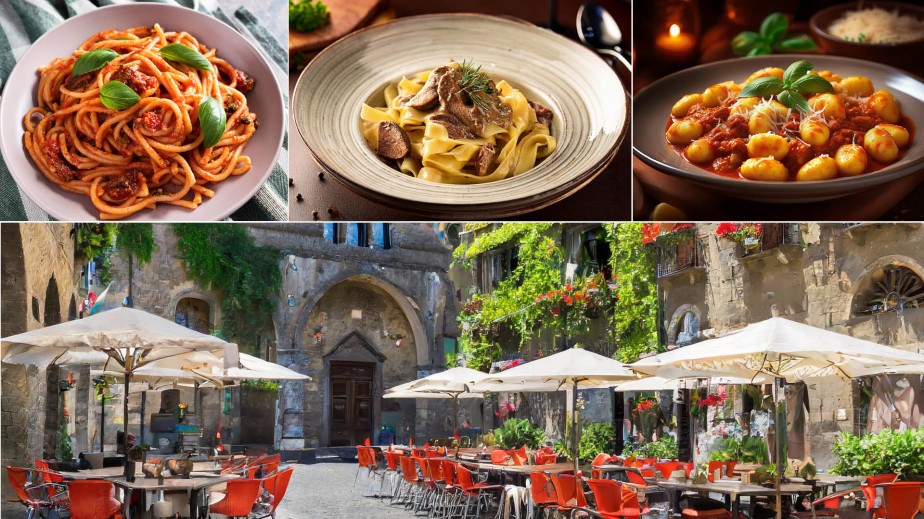
In the heart of Viterbo, a unique pasta dish captures the essence of local cuisine. Lombrichelli, an ancient fresh pasta from Tuscania and Viterbo in Lazio, has a rich history and distinctive appearance. This pasta is crafted by kneading flour with salt and water to create a hard dough, which is then worked piece by piece to form thick, coarse spaghetti. The name "lombrichelli" translates to "worms," aptly describing its earthworm-like appearance.
Traditionally, lombrichelli has been served with robust, flavourful sauces. Popular pairings include cacio e pepe, sausage ragu, spicy arrabbiata tomato sauce, or all'amatriciana. These hearty combinations complement the pasta's substantial texture and rustic charm.
Pappardelle with Hare Sauce
A sophisticated first course in the region, pappardelle with hare sauce, showcases the region's love for game dishes . Pappardelle, soft and wide ribbons of homemade fresh pasta, perfectly absorb the rich flavours of the hare sauce. This dish requires skill to balance the distinctive wild flavour of hare meat while keeping it tender.
To prepare this delicacy, the hare is typically soaked in water and vinegar for 8-10 hours. The meat is then browned with a mixture of finely chopped ham, onion, celery, carrots, and parsley. Tomato sauce and broth are added to create a luscious sauce that coats the pappardelle.
Gnocchi Variations
Viterbo's culinary landscape also includes various gnocchi preparations. While potato gnocchi is the most popular, served with a variety of sauces from lake fish sauce to a tasty meat sauce, the city offers diverse variations of this dumpling-like pasta. Gnocchi alla Romana, for instance, uses semolina instead of potatoes and flour. The semolina is boiled in milk or water, spread to cool, cut into disks, and baked with butter and cheese.
Another intriguing variation is Gnocchi Parisienne, made with pâte à choux – a combination of flour, egg, and water, often mixed with herbs and cheese. These gnocchi are piped directly into boiling water and then pan-seared with various sauces or vegetables.
Porchetta: A Regional Delicacy
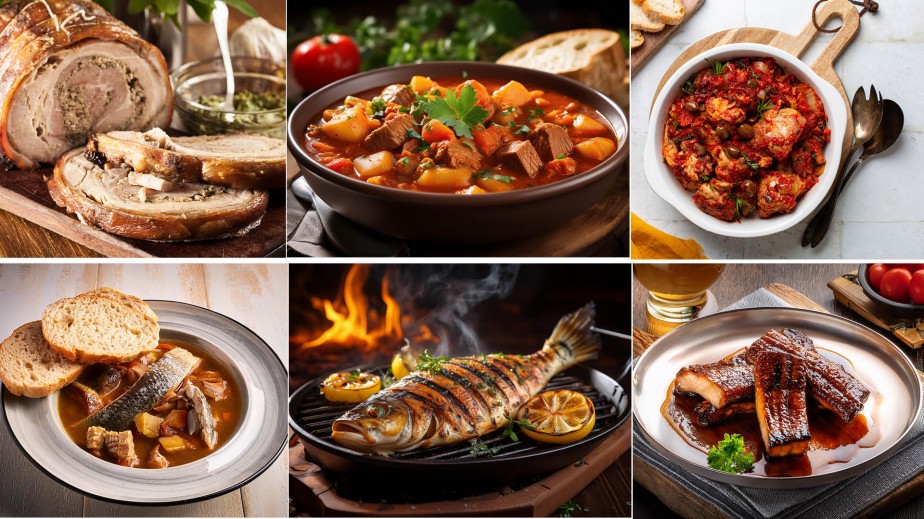
Porchetta, a beloved Italian roast pork dish, has a rich history in Viterbo and the surrounding regions. Traditionally, porchetta involves roasting a whole deboned pig on a spit, resulting in a harmonious blend of tender meat and crispy skin. Modern variations often use a pork belly wrapped around a lean pork loin, creating an elegant presentation with neat slices containing both fatty and lean meat.
The key to porchetta's distinctive flavour lies in its seasoning. Garlic, rosemary, fennel, and black pepper are common aromatics used to enhance the pork's natural taste.
Pignattaccia: Viterbo's Signature Stew
Pignattaccia stands out as Viterbo's most typical dish. This hearty stew combines beef scraps and entrails with pork and an assortment of vegetables, including potatoes, celery, and onions. The ingredients are slow-cooked in a terracotta saucepan in the oven, allowing the flavours to meld and intensify.
Acqua Cotta
Another local favourite is Acqua Cotta, or "cooked water," a soup born from necessity during leaner times. This ingenious creation combines water, olive oil, stale bread, herbs, and whatever vegetables were available. Today, Acqua Cotta della Viterbese can be savoured in traditional restaurants, featuring ingredients like potatoes, tomatoes, onions, carrots, mushrooms, and wild chicory.
Rabbit and Chicken Dishes
Rabbit has been a staple in Viterbo's cuisine since Etruscan times, as evidenced by paintings found in the necropolis of Tarquinia. The local Coniglio Leprino Viterbese breed, supported by the University of La Tuscia, thrives in the region. A popular preparation involves cooking rabbit in a casserole to maintain its tenderness. The dish typically includes olive oil, chopped onions, carrots, celery, wine, and stock, simmered until the meat is perfectly cooked.
Chicken also features prominently in Viterbo's meat dishes, often prepared alongside rabbit. Other favoured meat courses include lamb cooked in the oven or barbecued, as well as various pork preparations. These dishes showcase the region's rich culinary heritage and its commitment to preserving traditional flavours.
Lake Fish Delicacies
The lakes of Viterbo offer a rich variety of freshwater fish, contributing to the region's culinary heritage. Lake Bolsena, in particular, has an influence on local cuisine with its abundance of fish species. Sbroscia, an ancient fish soup, showcases the lake's bounty. Traditionally prepared using lake water, this dish incorporates various fish such as tench, perch, pike, and eel. Another prized catch from Lake Bolsena is coregone, a freshwater fish introduced in the early 1900s. This versatile fish can be enjoyed roasted, grilled, or prepared alla bolsenese, a local specialty.
Eels from Lake Bolsena have a documented history, even earning a mention in Dante's Divine Comedy. The most famous admirer of these eels was Pope Martin IV, who reportedly died of indigestion due to his passion for this delicacy. Today, traditional fishing methods are still employed to catch mature silver eels in Lake Bolsena. Using boats of Etruscan origin and long traps called altavelli, fishers selectively catch fully mature eels during the autumn season. These eels, which take 5-20 years to reach maturity, are a prized ingredient in local cuisine, showcasing the region's commitment to preserving culinary traditions.
Coastal Seafood Influences
While Viterbo is inland, its proximity to the Tyrrhenian coast has an impact on its seafood offerings. Coastal communities have historically relied on fishing as a major food source and economic activity. This connection to the sea allows chefs to incorporate fresh fish and shellfish into their dishes, resulting in more flavourful and nutritious meals compared to those available further inland.
Aniseed Biscuits
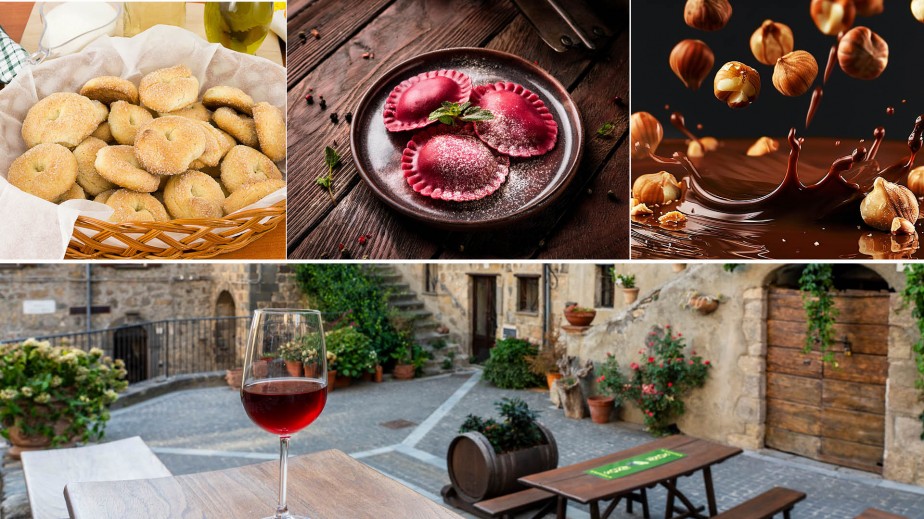
Viterbo's culinary heritage shines through its iconic aniseed biscuits, a delicate treat that has captivated locals and visitors for generations. These fragrant delights combine flour, sugar, eggs, and the distinctive flavour of aniseed, resulting in a unique and captivating taste. Known locally as "ciambelline al vino," these biscuits are traditionally prepared around November 11th, coinciding with the feast of San Martino. The biscuits often feature wine as an ingredient, which could be white, red, or even grape must.
Ravioli dolci
This delicious dessert is unique to the town of Viterbo and its surrounding region. Many villages have their own version like the Graviolo grottano, a typical recipes from Grotte Santo Stefano using alkermes turning the pasta red filled with ricotta cheese. Or you can find the more traditional fried ravioli filled with sweet ricotta cheese that's flavoured with orange zest and cinnamon. A perfect way to end a meal and is sure to satisfy any sweet tooth.
Hazelnut-based Desserts
Viterbo, is home to the prized Tonda Gentile Romana hazelnuts, which bear the coveted PDO certification. These locally sourced hazelnuts find their way into an array of desserts, from creamy puddings and tarts to decadent cakes and cookies. The use of hazelnuts in Viterbo's sweets not only celebrates local ingredients but also pays homage to the region's culinary traditions. For a truly indulgent experience, visitors can savour the dark chocolate and hazelnut combinations, reminiscent of the classic crema di gianduia, a precursor to the famous Nutella spread.
Viterbo's culinary scene offers a tantalizing journey through the flavours of the Tuscia Viterbese cuisine. From the hearty lombrichelli pasta to the savoury porchetta and the delicate lake fish dishes, the city showcases a rich tapestry of tastes that reflect its history and local produce. The blend of traditional recipes and seasonal ingredients has an influence on both locals and visitors, inviting them to savour the authentic flavours of this hidden gem in Lazio.
To wrap up, Viterbo's gastronomic delights go beyond mere sustenance, offering a window into the region's cultural heritage. Whether indulging in a plate of pappardelle with hare sauce or savouring the sweet aniseed biscuits, each bite tells a story of centuries-old traditions and local craftsmanship. This culinary adventure in Viterbo promises not just to satisfy hunger, but to create lasting memories of Italy's rich food culture.